
 Critical to the Health of the Community
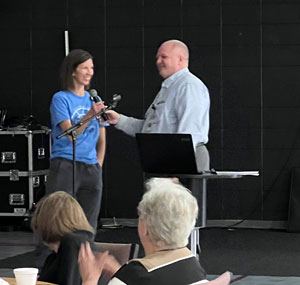
At the April Lunch & Learn, Jim Timpe, CEO shared an overview of the vital role critical access hospitals play in sustaining rural healthcare. He emphasized his commitment to the Salem community and the importance of maintaining strong, local healthcare services. Rural hospitals like Salem Township Hospital serve as a critical first point of care, especially in emergencies, and ensure residents have timely access to essential medical services close to home.
He explained that critical access hospitals were established through the Balanced Budget Act of 1997 in response to widespread rural hospital closures. Changes in healthcare—such as rising costs, reduced reimbursement, fewer rural physicians, and declining populations—made it difficult for small hospitals to survive. The program provides financial support and flexibility, allowing hospitals like Salem Township Hospital to continue operating while focusing on core services and transferring patients when higher levels of care are needed.
Despite ongoing challenges nationwide, Salem Township Hospital continues to operate successfully, expanding services, upgrading facilities, and investing in staff. Jim highlighted the importance of community support, encouraging residents to use local healthcare services and advocate for policies that protect rural hospitals. By working together, the community can help ensure the hospital remains strong for generations to come.
As a critical access hospital, Salem Township Hospital offers 24/7 emergency care, along with on-site laboratory and imaging services. In addition, the hospital provides CT scans, EKG, respiratory care and other key services around the clock. This ensures that patients receive timely care close to home. While certain highly specialized treatments require transfer to larger hospitals, most everyday healthcare needs can be handled locally by experienced providers. Salem Township Hospital provides numerous services for the community and has a variety of providers & clinics.
Jim also highlighted several important programs and expanding service lines. The hospital operates a swing bed program, allowing patients who need additional recovery time, therapy, or IV treatments to stay locally rather than traveling elsewhere. Recent and upcoming additions include expanded emergency and operating room capacity, a new wound care center, and the addition of orthopedic surgeon, Dr. Van den Bogaerde on in the Rural Health Orthopedic Clinic. The Rural Health Clinic (Walk-In) is also helpful in providing access to care within the community.
Despite national challenges facing rural hospitals, Salem Township Hospital continues to grow and invest in both its people and facilities. The organization offers competitive wages and benefits to retain staff and reinvests in modern equipment and infrastructure. Jim emphasized that community support is key—by choosing local healthcare services at Salem Township Hospital, residents help ensure the hospital can continue providing high-quality, accessible care for years to come.